
Ancient Dna Uncovers Rare Dwarfism In A 12,000-year-old Teenager, Revealing A Genetic Secret
Imagine a discovery that not only rewrites the history of human genetics but also uncovers a powerful story of compassion and survival from 12,000 years ago. In southern Italy, a double burial was found, revealing an ancient genetic diagnosis that sheds light on a rare inherited disorder. But what makes this story truly extraordinary is the evidence that family support played a pivotal role in the survival of a teenage girl during the harsh Ice Age. How did she survive with such severe physical limitations? The answers lie in the compassion and care of her family. Read on to uncover this extraordinary story.
Don’t forget to subscribe to Ancientera, hit the like button, and turn on the notification bell to stay updated with all the amazing stories, discoveries, and events we bring you every day!
In southern Italy, a remarkable discovery has been made from a double burial found over 60 years ago. The findings, published in the New England Journal of Medicine, have unveiled an ancient genetic secret: a teenage girl, who lived 12,000 years ago, had a rare inherited form of dwarfism. This genetic revelation, made through ancient DNA analysis, also suggests that her close family played a vital role in her survival in the harsh conditions of the Ice Age.
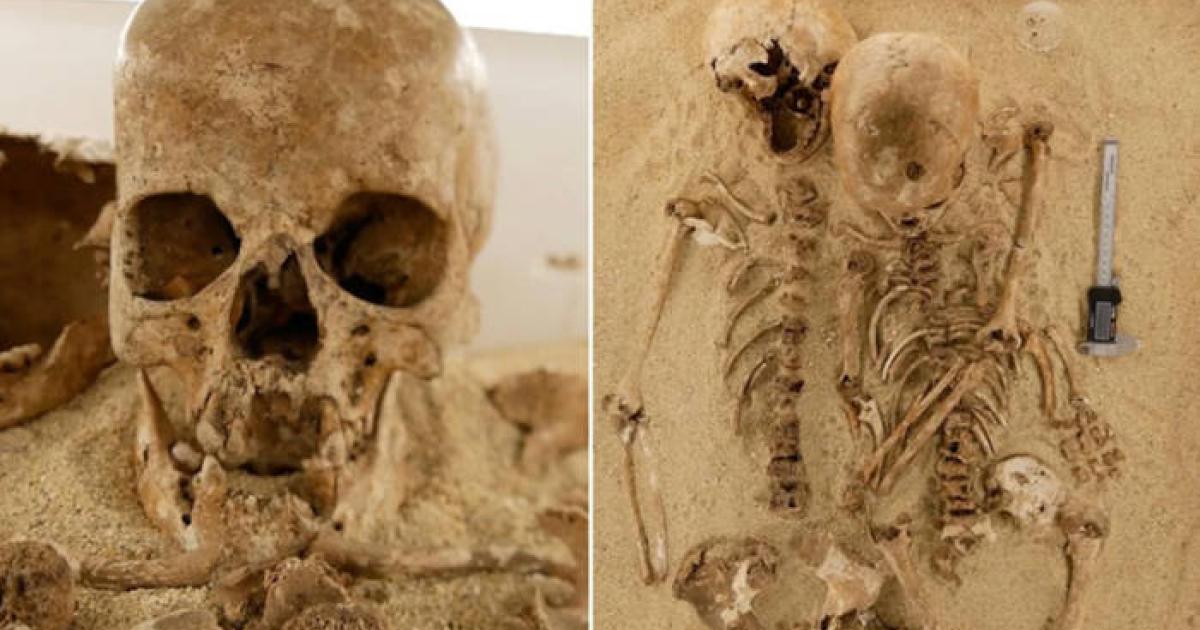
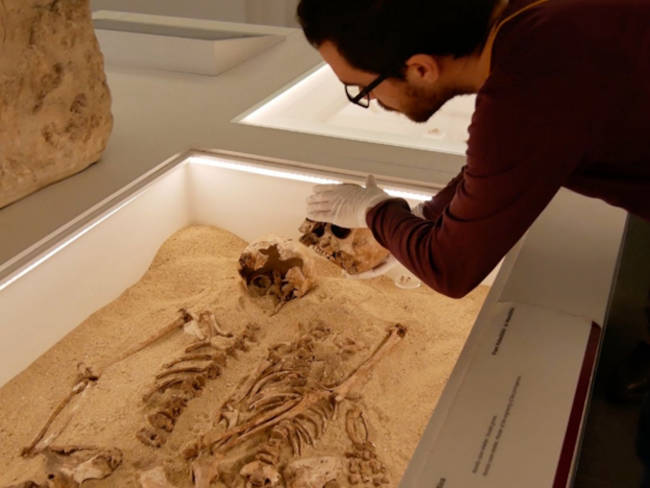
The burial site, Grotta del Romito, located near Papasidero in Calabria, has long been known for its prehistoric activity, including rock art. One of the double burials, unearthed in the 1960s, attracted attention due to the short stature and visibly shortened limbs of one of the individuals. Scholars debated for years about their relationship, as bone evidence alone couldn’t provide clear answers.
Now, through the extraction of ancient DNA from the petrous bone, the mystery has been solved. The analysis confirms that the two individuals were closely related, likely mother and daughter, both female. The younger of the two carried a mutation in the NPR2 gene, linked to a severe skeletal disorder. The older individual had one altered copy of the gene, explaining her slightly shorter stature.
The genetic diagnosis revealed that the younger individual had acromesomelic dysplasia, Maroteaux type, a rare inherited disorder marked by extreme limb shortening and short stature. The older individual, with one altered gene copy, showed milder signs of short stature, which was consistent with the physical evidence found in her skeleton. This discovery offers a groundbreaking look at how genetic conditions, recognized by modern clinicians today, existed even in prehistory.
The burial site has provided more than just insight into genetics; it paints a picture of care and compassion. Despite the severe physical limitations of the younger individual, who lived into adolescence, it’s clear that she was supported through difficult daily life. This kind of extended care, especially during the harsh Ice Age, suggests that the survival of the teenager was heavily reliant on her family’s support.
Such an interpretation underscores a growing body of research highlighting the importance of caregiving within families. In small, prehistoric groups, where resources were scarce and the environment harsh, caregiving could have been a crucial survival strategy. The burial may not just reflect the ancient world’s genetics but also the compassion and collective care that helped individuals survive in such a demanding environment.
The discovery has also caught widespread attention for its deeper implications about ancient human communities. The genetic evidence indicates that despite the difficult physical condition, the teenage girl lived longer than expected, suggesting that her family’s efforts went beyond just providing food. They likely helped her with mobility and other daily tasks, enabling her to survive into her teenage years in an unforgiving Ice Age landscape.
Researchers believe that this new genetic insight shows that humans in prehistory were more aware of their community’s needs than previously thought. The family’s support, specifically in the case of the younger individual, points to a culture where helping each other, particularly within families, was a significant factor in survival.
This finding is also remarkable because it underscores how ancient genomes can reveal disorders that were once invisible in the archaeological record. These genetic discoveries, which modern medicine now recognizes, provide crucial evidence of how ancient populations lived, struggled, and thrived in ways that have been largely overlooked until now.
The genetic analysis of these two individuals is not just about physical abnormalities; it tells a larger story about human empathy and survival in the Ice Age.
This groundbreaking discovery from Grotta del Romito, where a mother and daughter were buried together in an intimate embrace, offers more than just a glimpse into the past. It reveals a story of survival, compassion, and the strength of family bonds in a time when the world was far more unforgiving. The fact that the younger individual, despite her severe disability, lived to adolescence challenges our understanding of prehistoric life and shows how close-knit communities could endure in the harshest of environments.
The research published in the New England Journal of Medicine not only provides the earliest confirmed genetic diagnosis in anatomically modern humans but also enriches our understanding of the human experience during the Ice Age. It suggests that genetics, compassion, and family support were intertwined in ways that allowed individuals to survive conditions that may have otherwise been fatal.
The story of this ancient family from southern Italy is a testament to the resilience of human beings, both in terms of survival and care for one another. It offers a new lens through which we can view the challenges of ancient life, the importance of community, and the ways in which the human spirit has always found ways to adapt and persevere.
Thank you for watching this story. We hope you enjoyed this incredible journey into the past, where history and humanity intertwine. Stay tuned for more fascinating discoveries!
for upload
What if an ancient burial site revealed secrets about a rare genetic disorder that helped shape survival during the Ice Age? In southern Italy, an incredible discovery has unearthed the earliest confirmed genetic diagnosis in modern humans — a teenage girl with dwarfism who defied the odds and lived into adolescence. But the real story lies in the compassion of her family, who provided the care necessary for her survival. This shocking revelation not only alters our understanding of genetics but also of the profound support systems in ancient communities. Discover the untold story behind this Ice Age mystery.
Tags:
AncientDNA, IceAgeSurvival, GeneticDisorders, PrehistoricDiscoveries, GrottaDelRomito, AncientHumanHistory, IceAgeFamilySupport, HumanCompassion, RareDwarfism, AncientGenetics, FamilyCare, HumanSurvival, NeanderthalDiscovery, PrehistoricResearch, EarlyHumanLife, ArchaeologicalFindings, IceAgeCaregiving, AncientCaring, EvolutionaryHistory, AncientBurials, Archaeology, PrehistoricCommunity, GeneticMutation, AncientMedicalHistory, AncientMotherDaughter, EvolutionaryScience, NeolithicBurials, AncientCaregiving, HumanResilience, HumanGenetics, GeneticResearch, AncientCompassion
Hashtags:
#AncientDNA #IceAgeSurvival #GeneticDisorders #PrehistoricDiscoveries #GrottaDelRomito #AncientHumanHistory #IceAgeFamilySupport #HumanCompassion #RareDwarfism #AncientGenetics #FamilyCare #HumanSurvival #NeanderthalDiscovery #PrehistoricResearch #EarlyHumanLife #ArchaeologicalFindings #IceAgeCaregiving #AncientCaring #EvolutionaryHistory #AncientBurials #Archaeology #PrehistoricCommunity #GeneticMutation #AncientMedicalHistory #AncientMotherDaughter #EvolutionaryScience
title
Ancient Dna Uncovers Rare Dwarfism In A 12,000-year-old Teenager, Revealing A Genetic Secret


Aucun commentaire: